
Introduction
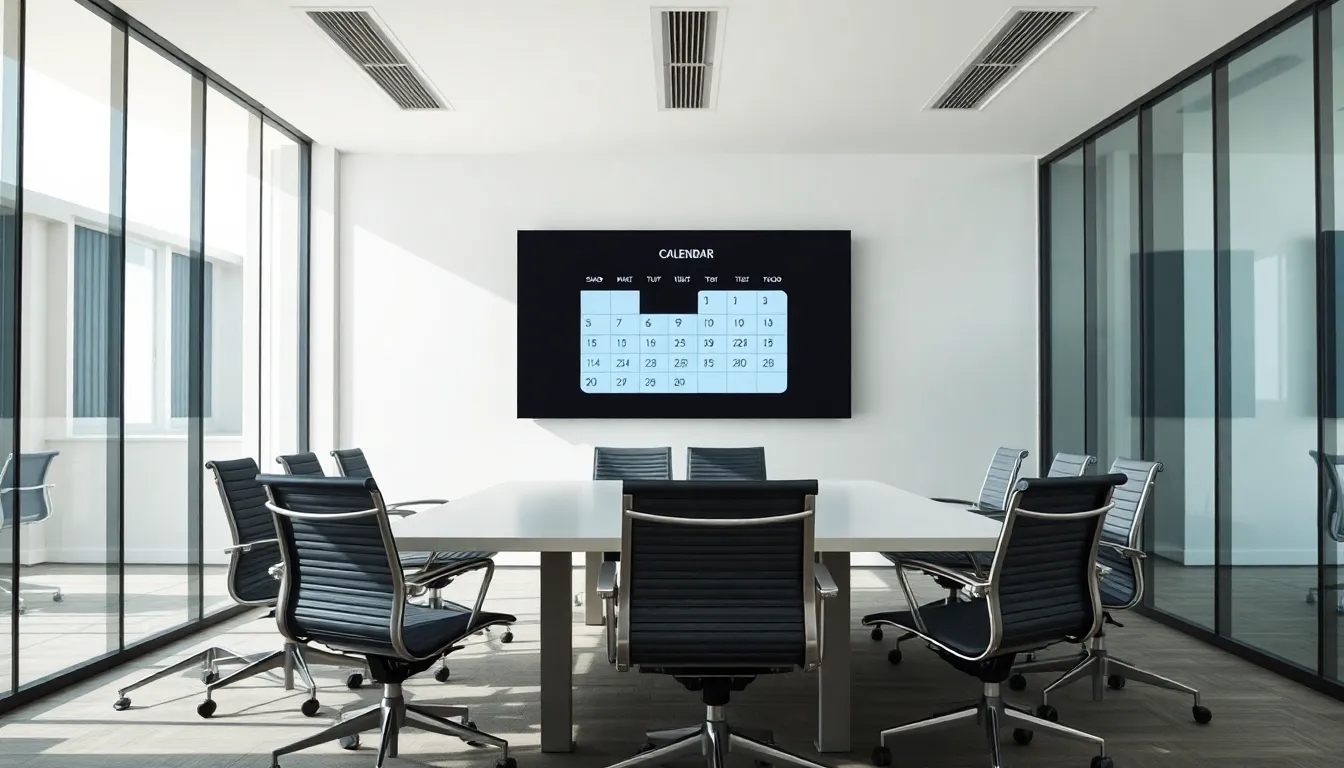
Meeting room planning effectively is crucial in today’s fast-paced business world. The design and functionality of meeting rooms can significantly influence the productivity and creativity of teams. Here are several key aspects to consider for optimal meeting room setup:
- Space Efficiency: Understanding the spatial dynamics to accommodate various meeting types
- Technological Integration: Equipping rooms with the necessary tools for seamless connectivity and interaction
- Comfort and Aesthetics: Creating an inviting atmosphere through ergonomic furniture and adequate lighting
Understanding Your Meeting Space Needs
Assessing Current Usage
- Track room booking frequency and duration
- Identify peak usage times and underutilized periods
- Survey employees about their meeting space preferences
Space Categories
- Huddle Rooms: 2-4 people for quick discussions
- Standard Meeting Rooms: 6-12 people for team meetings
- Conference Rooms: 12-20 people for larger gatherings
- Boardrooms: Executive-level meetings with premium amenities
Technology Integration
Essential Technology
- Video conferencing systems for hybrid meetings
- Interactive whiteboards and displays
- Room scheduling panels outside meeting rooms
- Wireless presentation tools
Smart Room Features
- Automated lighting controls that adjust based on time of day
- Temperature sensors for optimal comfort
- Occupancy sensors that release unused bookings
- Efficient lighting controls for energy savings
Tips for Seamless Technology Integration
- Start with a needs assessment
- Ensure user-friendliness
- Regular updates and maintenance
- Provide training and support
- Test configurations regularly
Design and Aesthetics
Choosing the Right Decor and Furniture
- Ergonomics: Choose furniture that supports well-being
- Style Consistency: Ensure decor matches company branding
- Flexibility: Opt for modular furniture
- Quality and Durability: Invest in high-quality materials
Lighting and Acoustic Considerations
- Natural Light: Incorporate whenever possible
- Task Lighting: LED panels or adjustable desk lamps
- Soundproofing: Acoustic panels, carpets, and ceiling tiles
- Microphone and Speaker Systems: Professional-grade for clear communication
Best Practices for Meeting Room Scheduling
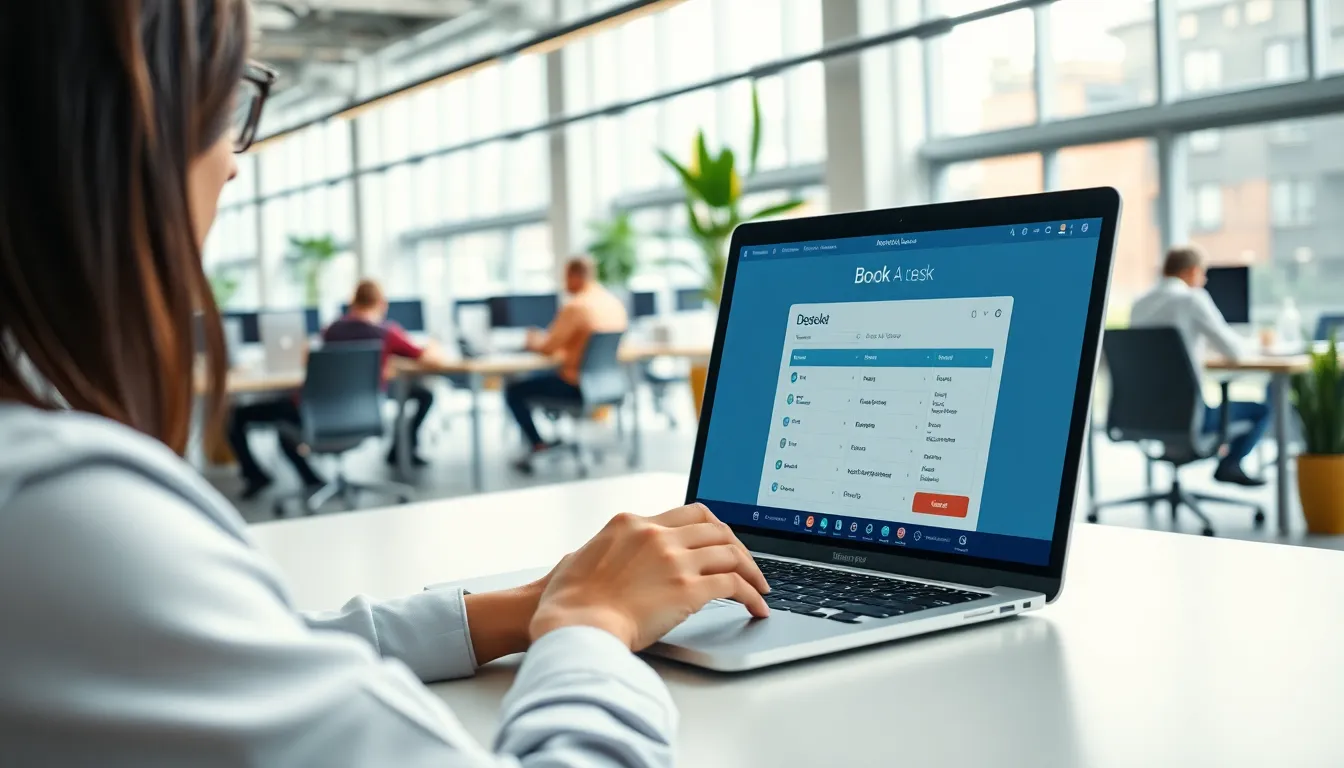
Utilizing Scheduling Software
- Centralized booking for real-time availability
- Integration with Google Calendar or Microsoft Outlook
- Mobile access for booking on the go
- Features like automatic reminders and equipment booking
Strategies to Avoid Double Bookings
- Clear policies for booking procedures
- Real-time updates across all platforms
- Confirmation requirements 24 hours in advance
- Overbooking protocols
Case Studies
Successful Meeting Room Setups
- Tech company in Silicon Valley with modular furniture and smart lighting
- Global consulting firm with user-centered design and soundproofing
- Co-working space in New York with themed meeting areas
Lessons from Failed Meeting Room Designs
- Overemphasis on aesthetics at the expense of comfort
- Neglecting acoustic planning leading to echo issues
- Inadequate tech support leading to underutilization
Conclusion
The success of meeting room planning goes beyond its walls; it embodies the synthesis of thoughtful design, technological integration, and effective management practices. By implementing these strategies, you can ensure your meeting rooms are not just spaces but dynamic environments that foster innovation and efficiency.