
Introduction
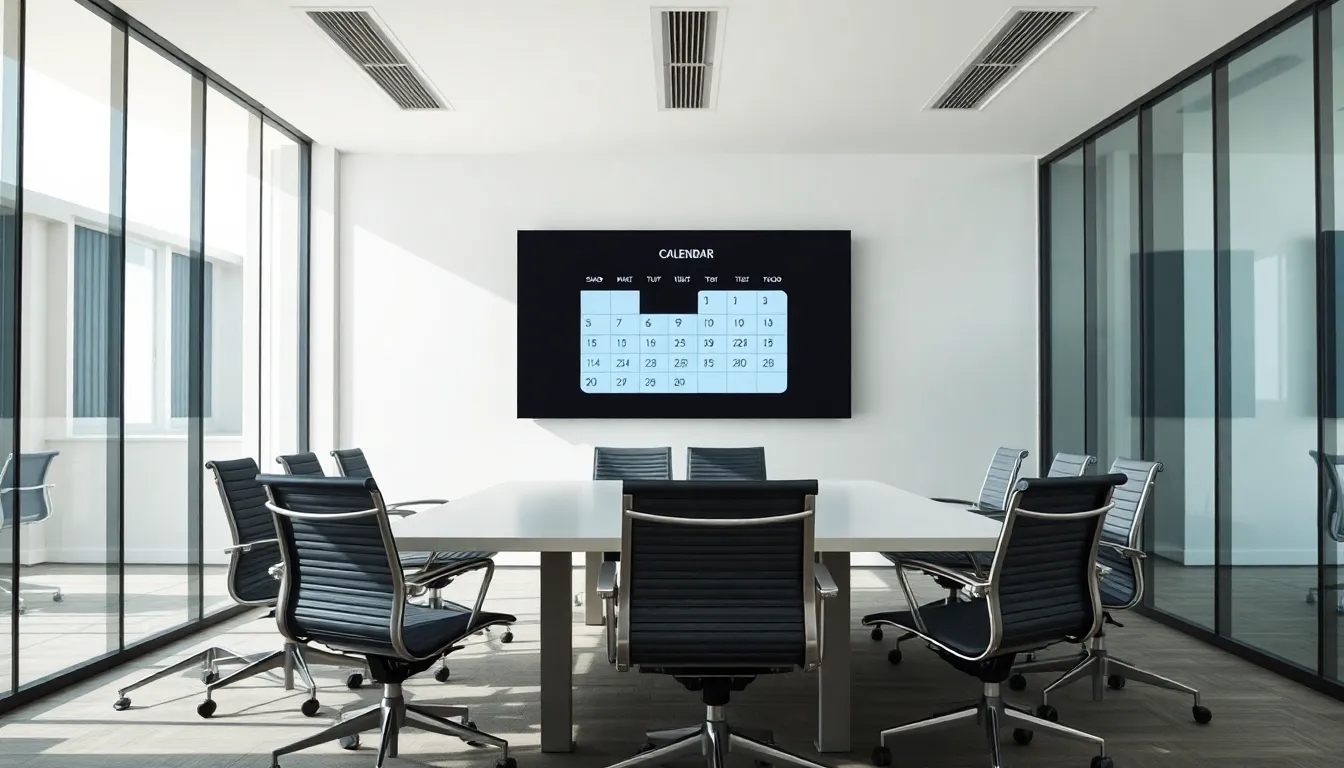
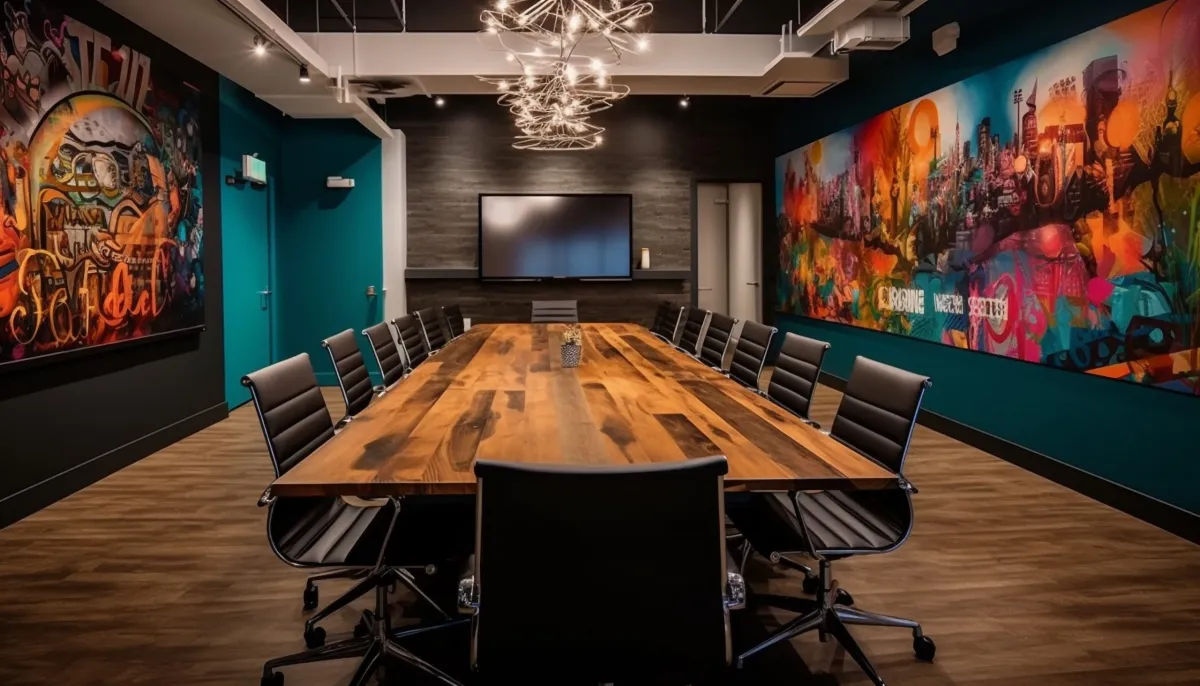
In today’s dynamic work environment, meeting room layouts can significantly impact the productivity and collaboration of a team. From fostering engaging discussions to ensuring every participant feels included, the physical setup of your meeting space is a crucial player in the success of your interactions.
Key considerations when selecting a meeting room layout:
- Number of Participants: The layout should comfortably accommodate all attendees
- Type of Meeting: The layout should align with the meeting’s purpose
- Technology Needs: Consider AV equipment requirements
- Accessibility: Ensure the space accommodates all participants
Popular Meeting Room Layout Types
Boardroom Style
- Traditional rectangular table setup
- Best for: Executive meetings, board sessions
- Encourages formal discussion and decision-making
- Typical capacity: 8-20 people
Classroom Style
- Rows of tables facing the front
- Best for: Training sessions, educational presentations
- Allows note-taking and focused attention
- Can accommodate large groups
U-Shape Layout
- Tables arranged in a U formation
- Best for: Collaborative discussions, workshops
- Facilitates eye contact and open dialogue
- Ideal for 15-25 participants
Theater Style
- Rows of chairs without tables
- Best for: Large presentations, keynotes
- Maximizes seating capacity
- Focus is directed toward the presenter
Hollow Square
- Tables arranged in a square with open center
- Best for: Panel discussions, negotiations
- Equal footing for all participants
- Promotes inclusive conversation
Choosing the Right Layout
Factors to Consider
- Meeting objectives and agenda
- Number of attendees
- Room dimensions and available furniture
- Technology and AV requirements
- Comfort and accessibility needs
Matching Layouts to Meeting Types
- Brainstorming: U-Shape or Cluster layouts
- Presentations: Theater or Classroom
- Decision-Making: Boardroom or Hollow Square
- Training: Classroom or Cabaret
- Social Events: Cocktail or Banquet
Optimizing Your Layout for Technology
- Position screens and projectors for maximum visibility
- Ensure power outlets are accessible for all participants
- Place microphones strategically for even audio pickup
- Consider camera placement for hybrid meetings
Tips for Maximizing Space
- Use modular furniture that can be reconfigured
- Keep pathways clear for accessibility
- Consider storage solutions for unused furniture
- Use wall-mounted displays to save floor space
Conclusion
The right meeting room layout can transform a routine gathering into a productive and engaging session. By carefully considering your meeting objectives, participant needs, and available space, you can create environments that foster collaboration and drive results.