
Introduction
“Flex Office: Advantages and Disadvantages” is a pivotal topic in the discourse on modern workplace design. This model of flexible office arrangement caters to the dynamic needs of today’s businesses and their diverse workforces.
Key Benefits Include:
- Adaptability: Spaces that evolve as business needs change
- Cost Efficiency: Potential reduction in overhead costs
- Enhanced Collaboration: Encourages a more interactive work environment
Challenges:
- Privacy and Noise: Open nature can lead to lack of privacy
- Constant Change: Regular reconfigurations might hinder personalization
What is a Flex Office?
Definition and Basic Concept:
- Flexible Usage: Space is not assigned permanently to individuals
- Scalable Design: The layout is adaptable
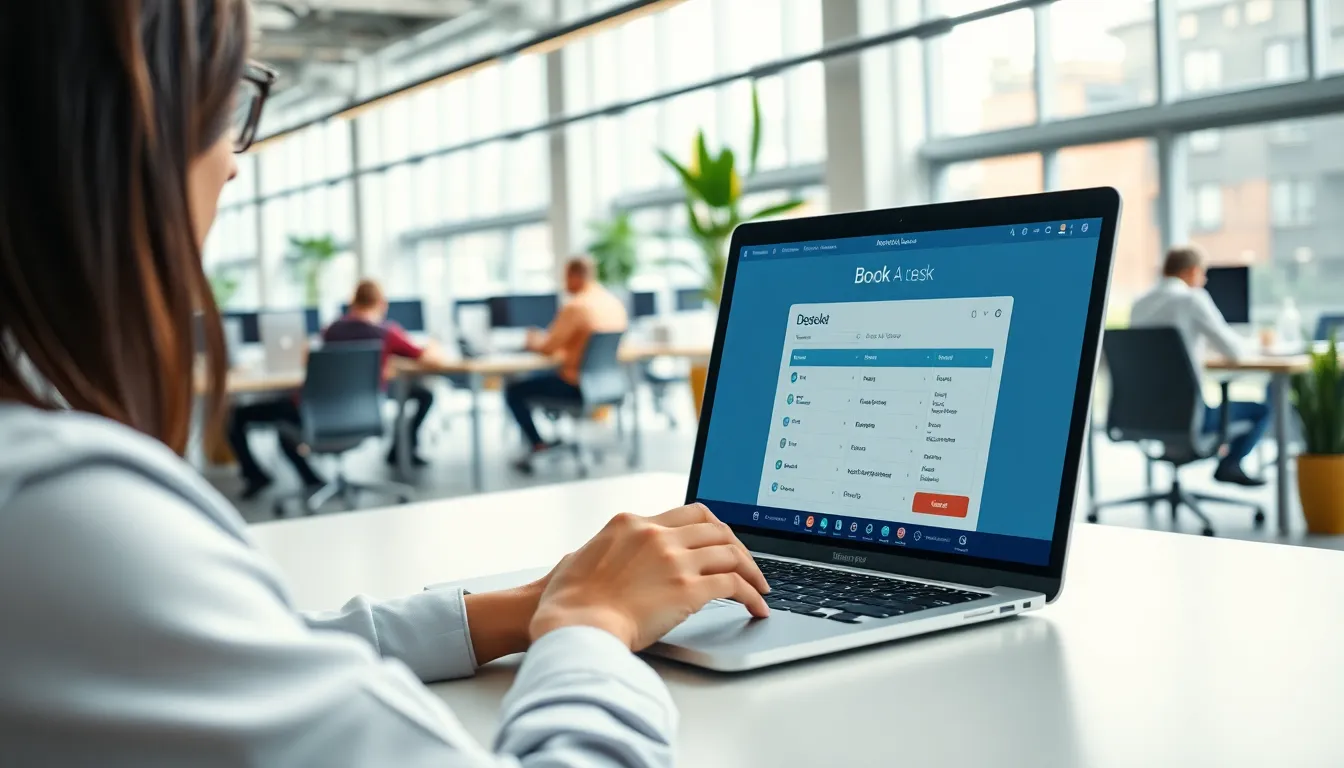
- Tech-Enabled: Modern technologies facilitate hot-desking and room bookings
Brief History and Evolution:
- Origins: Late 1990s and early 2000s with the rise of internet technology
- Evolution: Companies like WeWork capitalized on this trend
- Current Trends: Integral to hybrid work models
Advantages of Flex Office
Cost Efficiency
- Lower Real Estate Costs
- Reduced Utility Expenses
- Minimal Setup and Maintenance
Scalability
- Adaptability to Business Growth
- Flexible Lease Terms
Enhanced Networking Opportunities
- Shared Common Areas
- Community Events
- Diverse Professional Exposure
Disadvantages of Flex Office
Lack of Personal Space
- Limited Storage Options
- Shared Desks
- Overcrowding
Noise and Distractions
- Acoustic Challenges
- Frequent Movement
- Lack of Sound Privacy
Privacy Concerns
- Visual Privacy
- Confidential Conversations
- Data Security
Who Benefits Most from Flex Offices?
- Startups and Small Businesses
- Tech Companies
- Creative Industries
- Consulting Firms
- Large Corporates Looking for Innovation
Real-World Examples
- WeWork – Pioneering Shared Workspace Models
- Google – Adapting Office Spaces for Creativity
- Deloitte – Embracing the Hybrid Model
- Zappos – Flexible Work Environments
Conclusion
Whether flex offices are suitable for your business depends on your specific operational needs and cultural dynamics. By carefully weighing the advantages and addressing the challenges, companies can effectively integrate flex office setups into their long-term business strategies.